The Government, through Section 296 and 297 of the Constitution of Zimbabwe Amendment (No. 20) Act, 2013, has mandated the Zimbabwe Land Commission (ZLC) to carry out periodic audits of agricultural land. This function is operationalized by Section 8(1)(b) of the Land Commission Act [Chapter 20:29]. From 2018 to 2024, the CNALA programme audited 254,538 farmers across all resettlement models and categories.
Objective: To establish a full account of the utilization of all agricultural land in Zimbabwe for economic growth, social equity, and environmental sustainability. The audit provides comprehensive data on sustainable land utilization, production, productivity, and informs recommendations on land policy and administration.
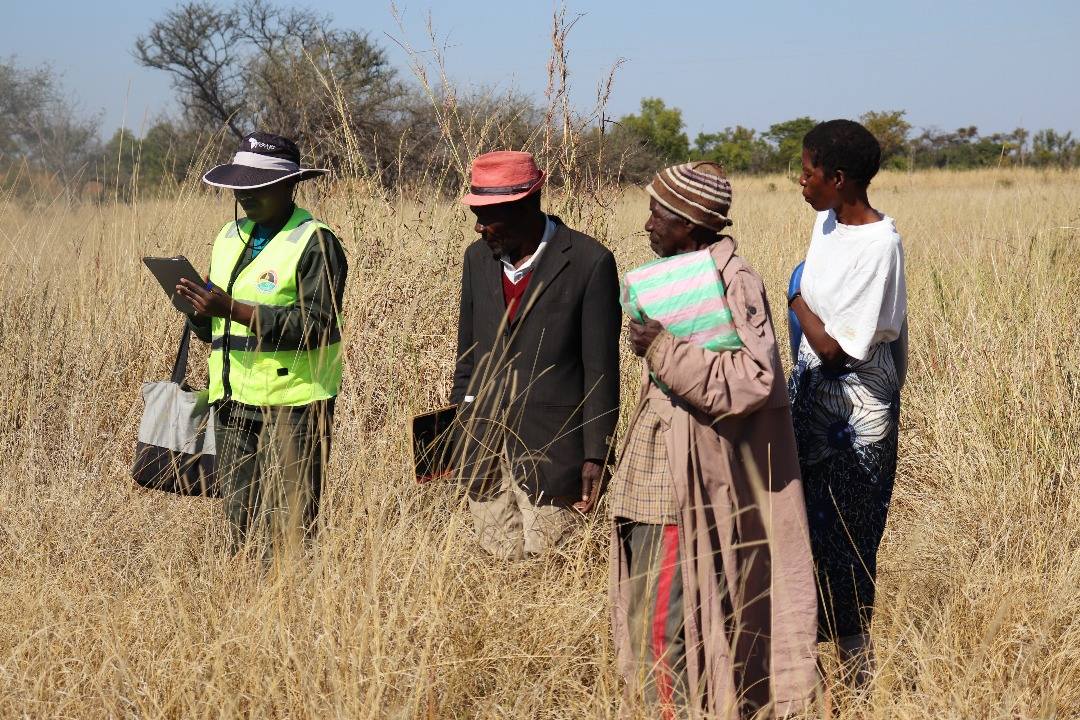
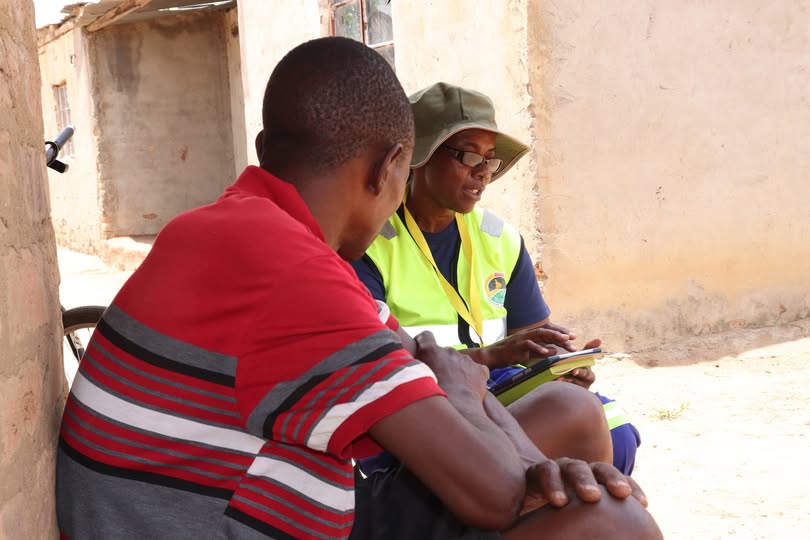
Fieldwork: Data is collected through direct interviews and physical farm visits, covering all models and categories of agricultural land (A2, A1, Old Resettlement, Peri-Urban, Large/Small Scale Commercial, Urban Commercial, 3 Tier, Institutional Farms).
2025 Focus: Data cleaning, verification, and review of agricultural land administration systems. The annual target is 50,000 farms audited.
Methodology:


Implementation of the Comprehensive Farm Inspections Programme is a statutory requirement in terms of Section 8(1)(a) of the Land Commission Act (Chapter 20:29). These inspections are thematic, in-depth examinations of land holdings to assist farmers in improving production, productivity, and sustainable management of land resources.
Programme Features:
2024 Results: The target was 5,000 farms; 5,293 farms (105% of target) were inspected, enhancing agricultural productivity and sustainable land management.
Methodology:
This approach supports farmers to transition towards more professional and resilient agricultural enterprises, contributing to Zimbabwe’s socio-economic transformation.

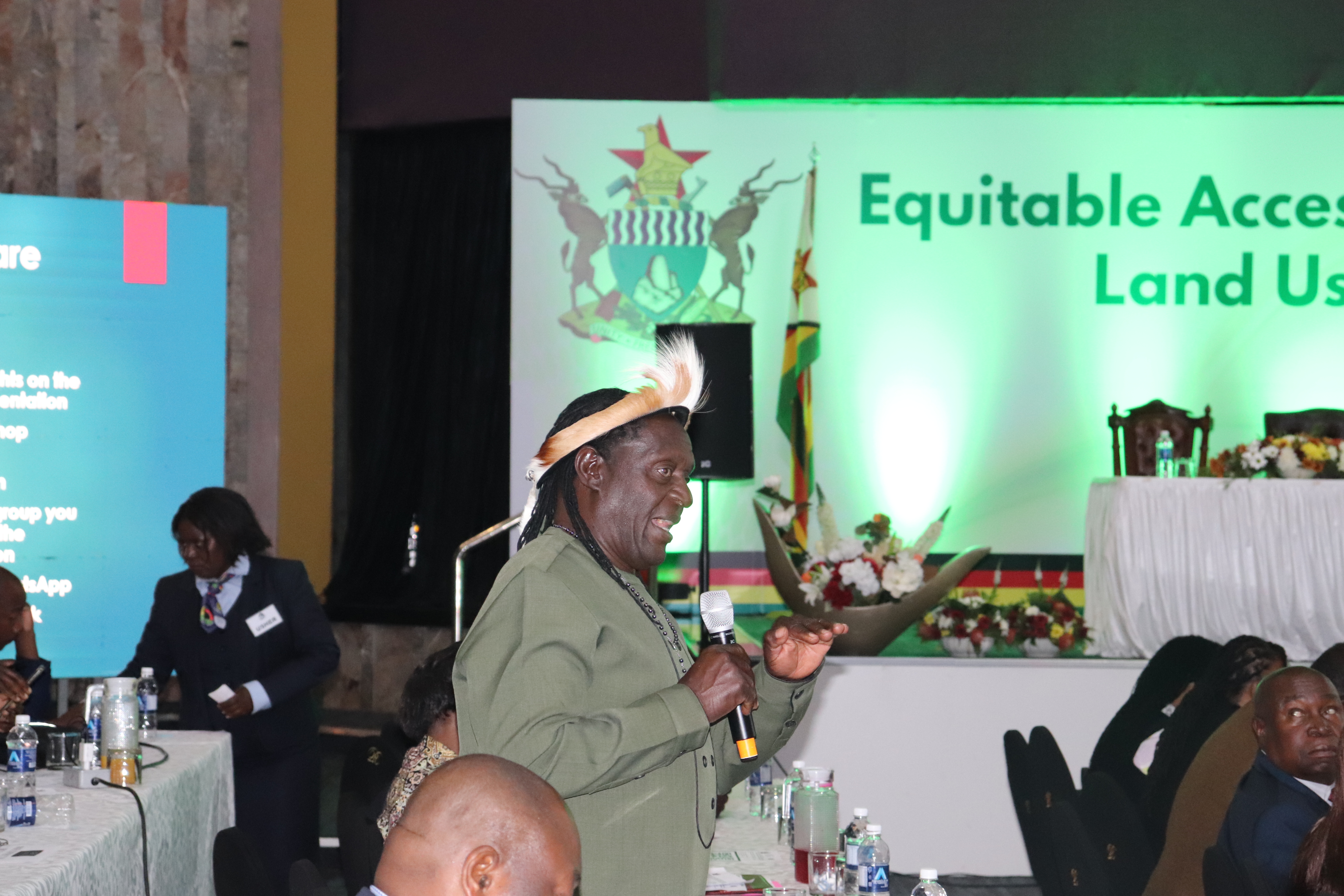
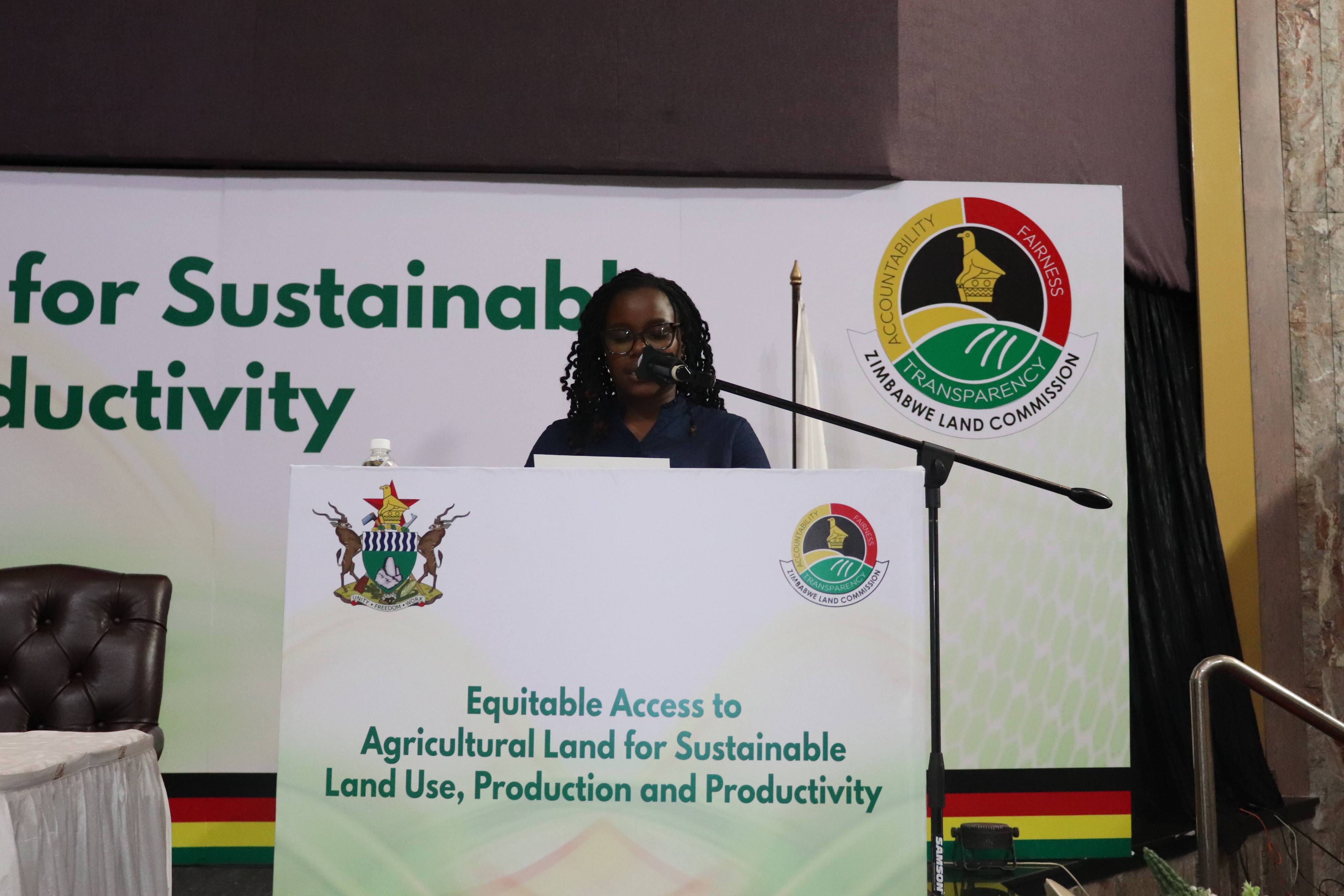
The Zimbabwe Land Commission is required to submit recommendations to the Government regarding the administration of agricultural land, in terms of section 297(1)(c)(i-vii) of the Constitution. These recommendations are pivotal in securing land tenure and promoting sustainable land use, enabling the agricultural sector to realize its full potential for food security, economic growth, and shared prosperity.
To date, recommendations have been made on allocations and alienations of agricultural land, review of systems of land tenure, and equitable access to land, including the elimination of unfair discrimination and enforcement of land holding limits.
Together, we uphold fairness, transparency, and accountability, building a resilient land administration system for the benefit of current and future generations.
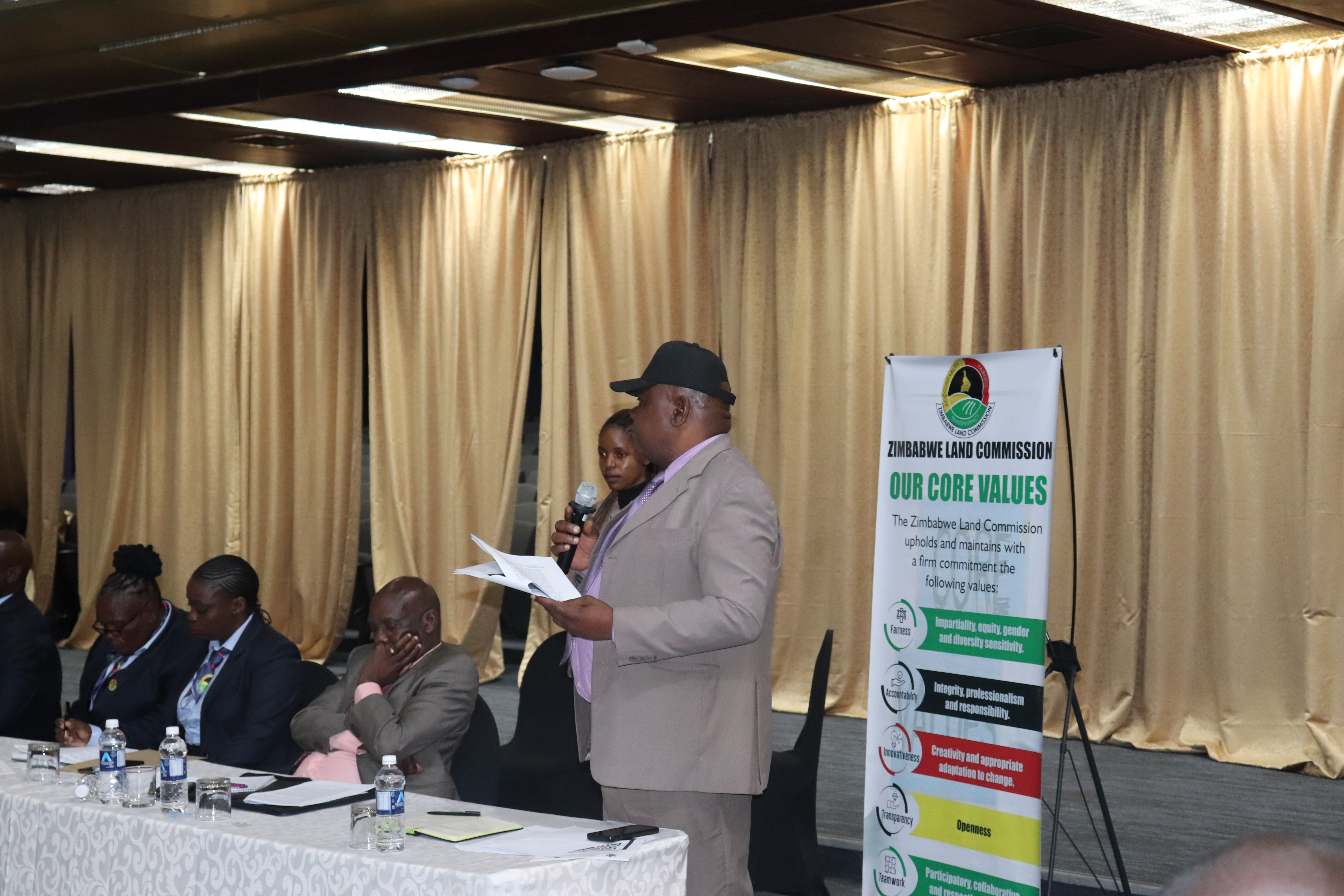
The Intergrated Land Information Management System (ILIMS) is a central repository of agricultural land records owned and managed by the government. ILIMS significantly complements government objectives outlined in the National Development Strategy 1 and now in National Development Strategy 2 (NDS1 and NDS 2) by providing data needed to identify idle land, underutilised land, and land available for irrigation. ILIMS fosters sustainable development through enhanced tenure security, reduced land disputes, and improved access to agricultural credit. The system is built on the core pillars of Transparency, Accountability, and Fairness, ensuring an equitable and efficient framework for national land administration.
To enable a seamless digital ecosystem, ILIMS is strategically aligned with key national institutions to advance Zimbabwe's digital transformation agenda. Through robust system integration, it will directly connect with the Ministry of Lands, Agriculture, Fisheries, Water and Rural Development, the Surveyor General's E-cadastre, and the Deeds Office, streamlining workflows across government subsystems. This integrated approach eliminates administrative silos, improves efficiency in taxation processes, and supports a modern land governance environment aligned with the nation's long-term economic vision. Importantly, ILIMS will provide centralized, real-time, and credible information so that, with a simple press of a button, users can access the data they need. In addition, ILIMS will support data-driven analysis for livestock-related planning, enabling improved advisory services to farmers.
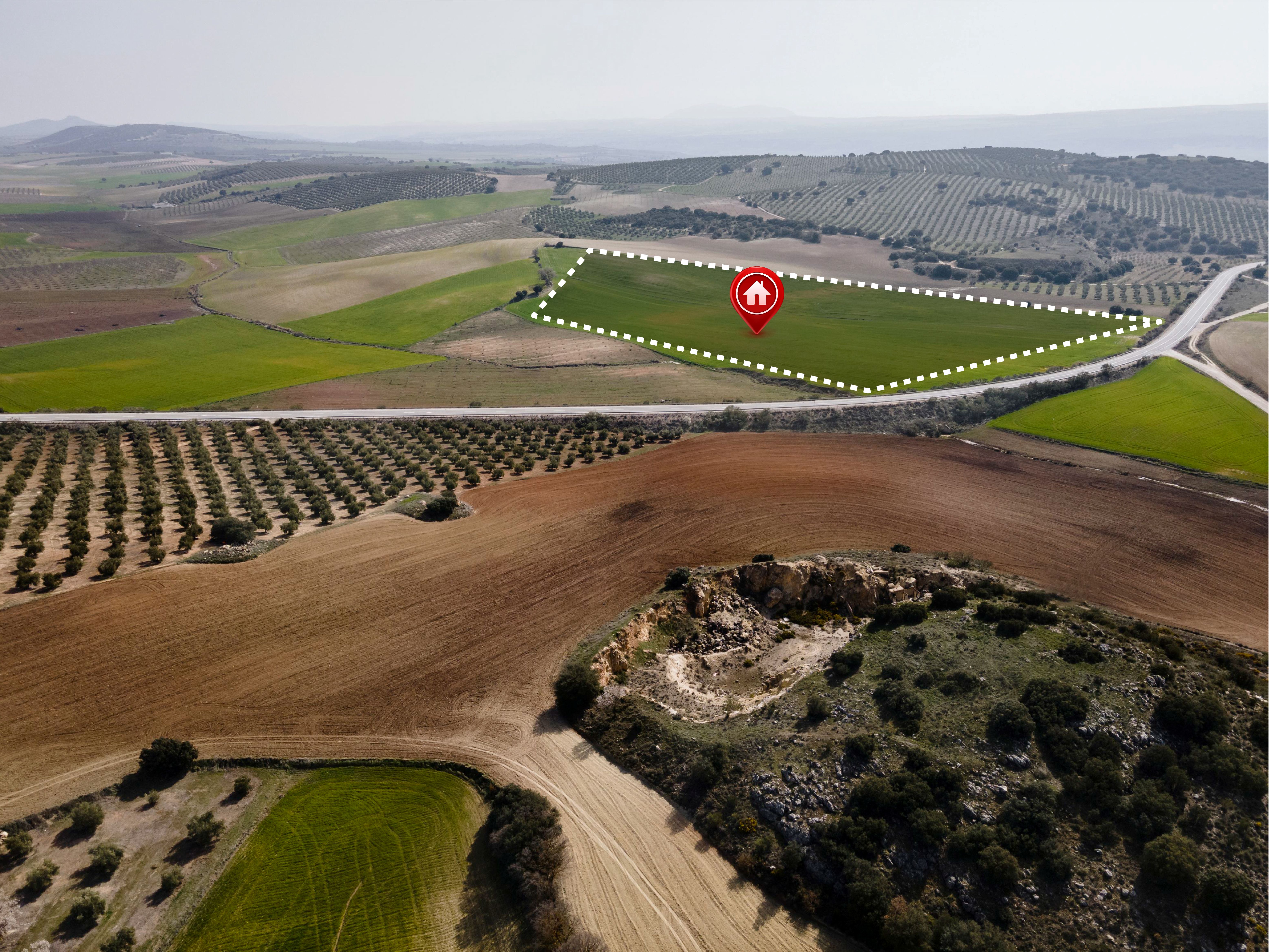


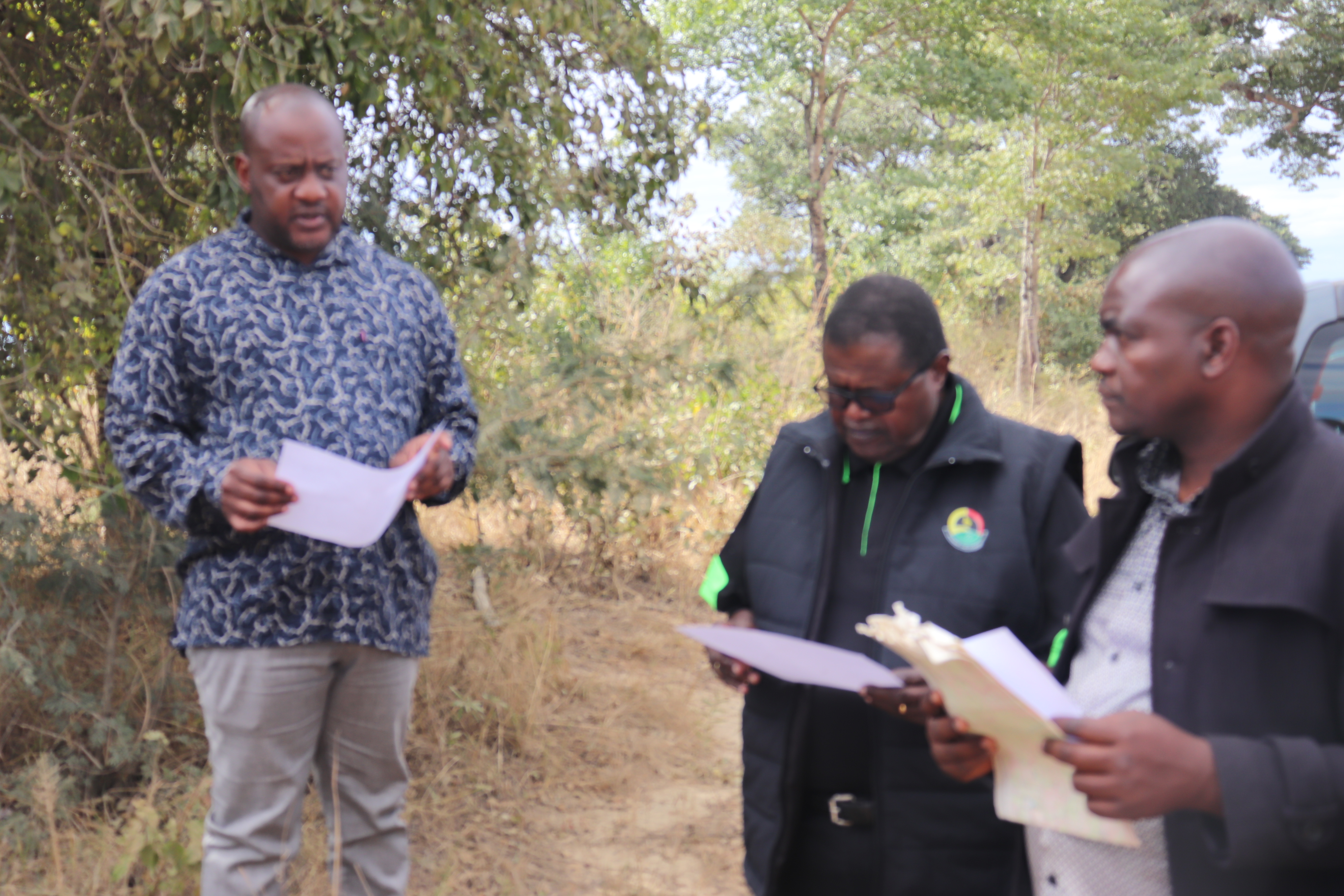
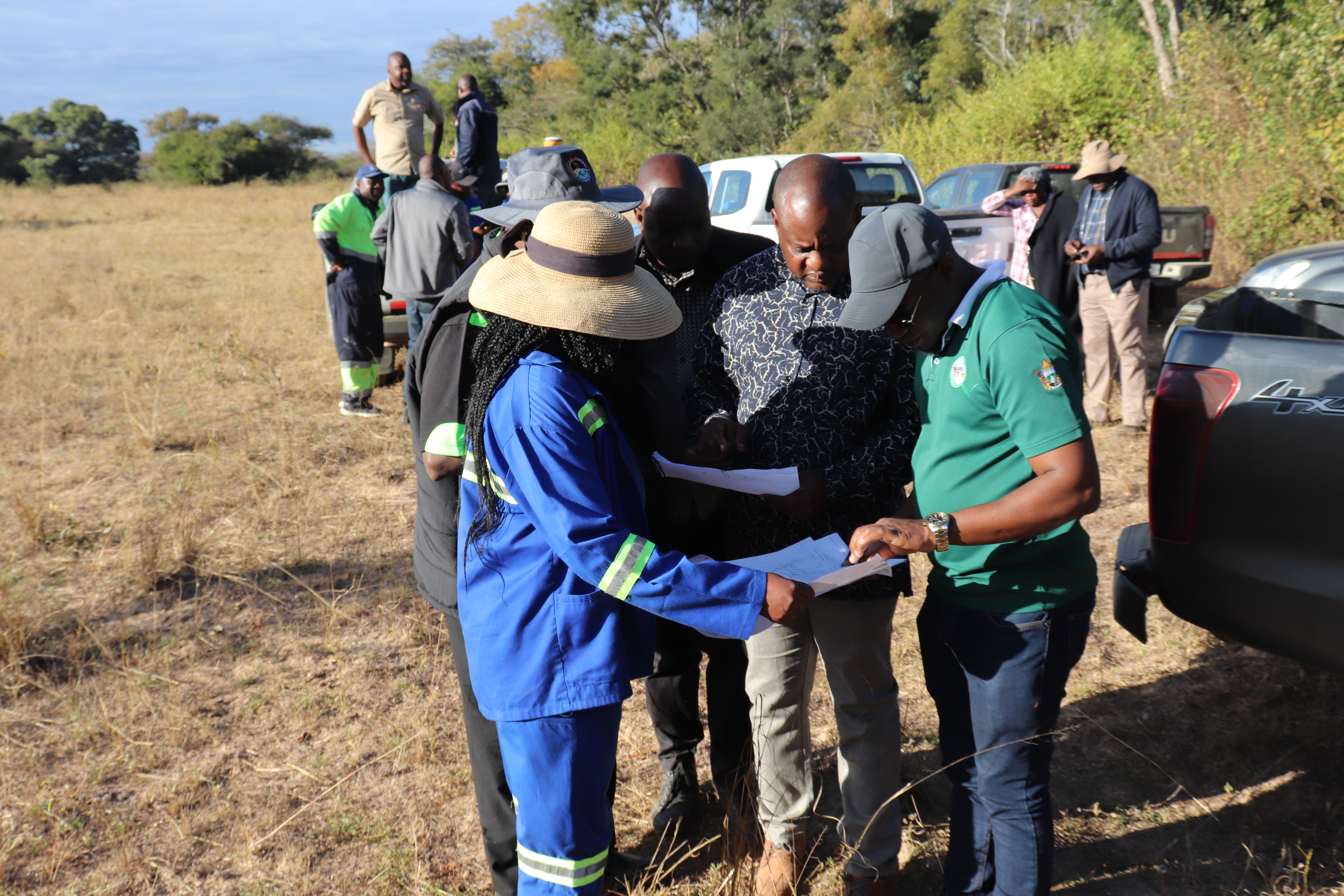
The Zimbabwe Land Commission registers and addresses disputes and complaints raised by farmers on issues relating to land administration, including boundaries, ownership, double allocation, inheritance, and other disputes. Since its inception, the Commission has successfully resolved a cumulative total of 4,728 disputes, with new cases continually received and comprehensive strategies in place to efficiently clear any backlog.
The Commission is guided by the Fifth Schedule of the Land Commission Act [Chapter 20:29] and employs Alternative Dispute Resolution (ADR) mechanisms to restore and sustain productive relationships between farmers. ADR provides a cost-effective resolution avenue, essential in today’s dynamic agricultural environment.
Resolving disputes and complaints on agricultural land is critical to ensuring uninterrupted farming operations. By improving stakeholder confidence and attracting investment in production infrastructure and equipment, these efforts enhance productivity across the agricultural sector and support Zimbabwe's vision of achieving Upper-Middle Income Economy status by 2030.

Monday - Friday
Saturday-Sunday
